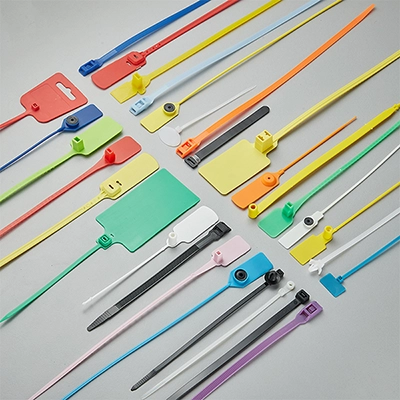
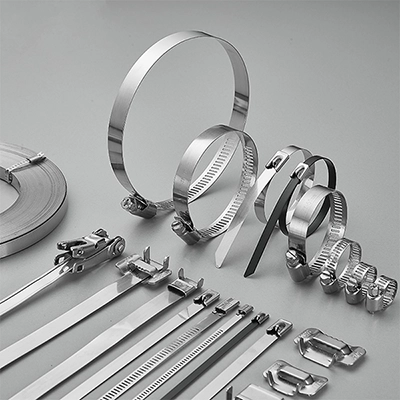
The first phase of the 140th Canton Fair was held in Guangzhou from October 15 to 19, with exhibits covering sectors such as electronics and electrical products, industrial manufacturing, vehicles and auto parts, new energy, and hardware tools.
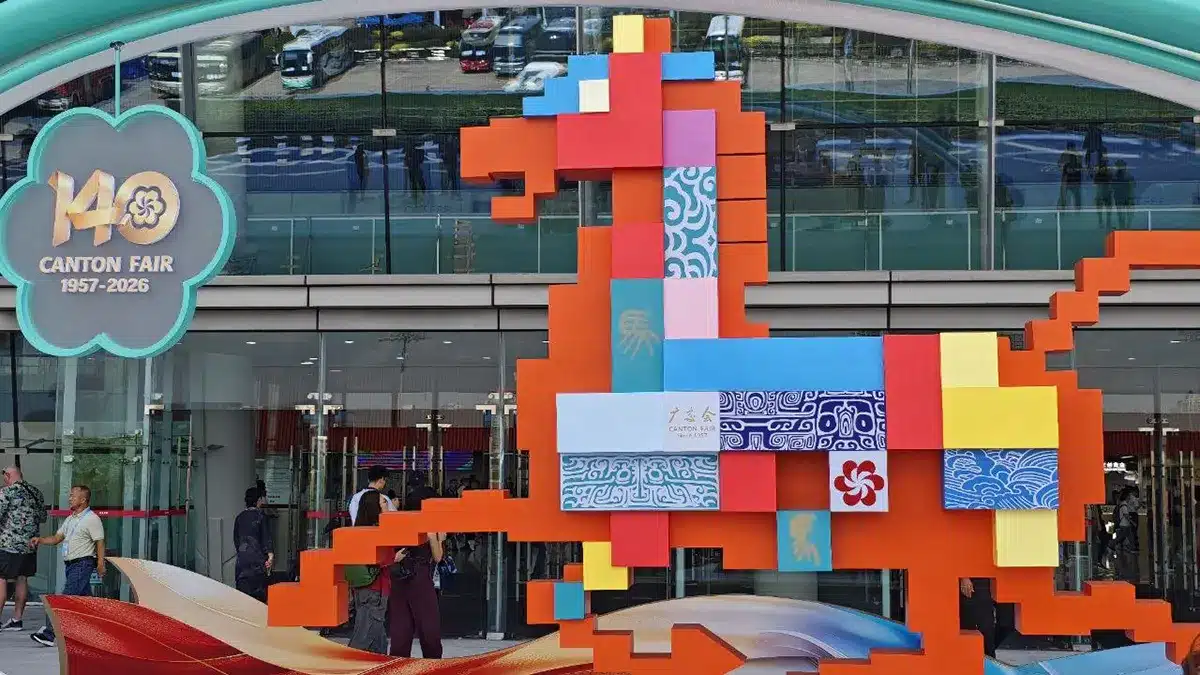
We also spent time walking through the fair. From the moment we arrived, the scale of the event was obvious: busy entrances, crowded halls, and buyers from different countries moving between booths, comparing products and speaking with suppliers.
For a nylon cable tie manufacturer, it is natural to look at other fastening products and suppliers. But what interested us even more was seeing where cable ties ultimately end up being used.
Cable Ties Are Small, but Their Applications Are Everywhere
Nylon cable ties are not the kind of product that immediately stands out at a large trade fair. Next to electric vehicles, industrial machinery and electrical equipment, a cable tie can seem almost insignificant.
But once you start looking closely at the products on display, cable management and fastening needs appear almost everywhere. Electrical equipment needs cables to be organised and secured. Vehicles and new energy systems contain large wiring harnesses. Solar and energy equipment requires reliable cable management, while industrial machinery also depends on simple and effective ways to keep wiring in place.
For us, these applications are often more useful to study than simply looking at who else is selling cable ties. The same basic cable tie can be used in very different environments, and each application brings a different set of requirements.
Different Applications Mean Different Requirements
For general indoor cable management, buyers may focus mainly on size, tensile strength and price. In automotive wiring, material stability can become more important. Outdoor solar and new energy applications may require UV resistance, weather resistance and better performance across changing temperatures. In colder regions, installers may also need to consider whether a standard nylon tie will become too stiff or brittle during installation.
These differences reflect the inquiries we receive in our daily work.
Sometimes a customer needs a standard cable tie. In other cases, the same nominal size may need low-temperature resistance, flame retardancy, UV resistance or a special structure.
The product may still look like a simple cable tie, but the environment behind it can be completely different.
Seeing the actual equipment at a trade fair makes these differences much easier to understand than simply reading a specification sheet in the office.
Looking at Products Also Means Looking at How Buyers Choose Suppliers
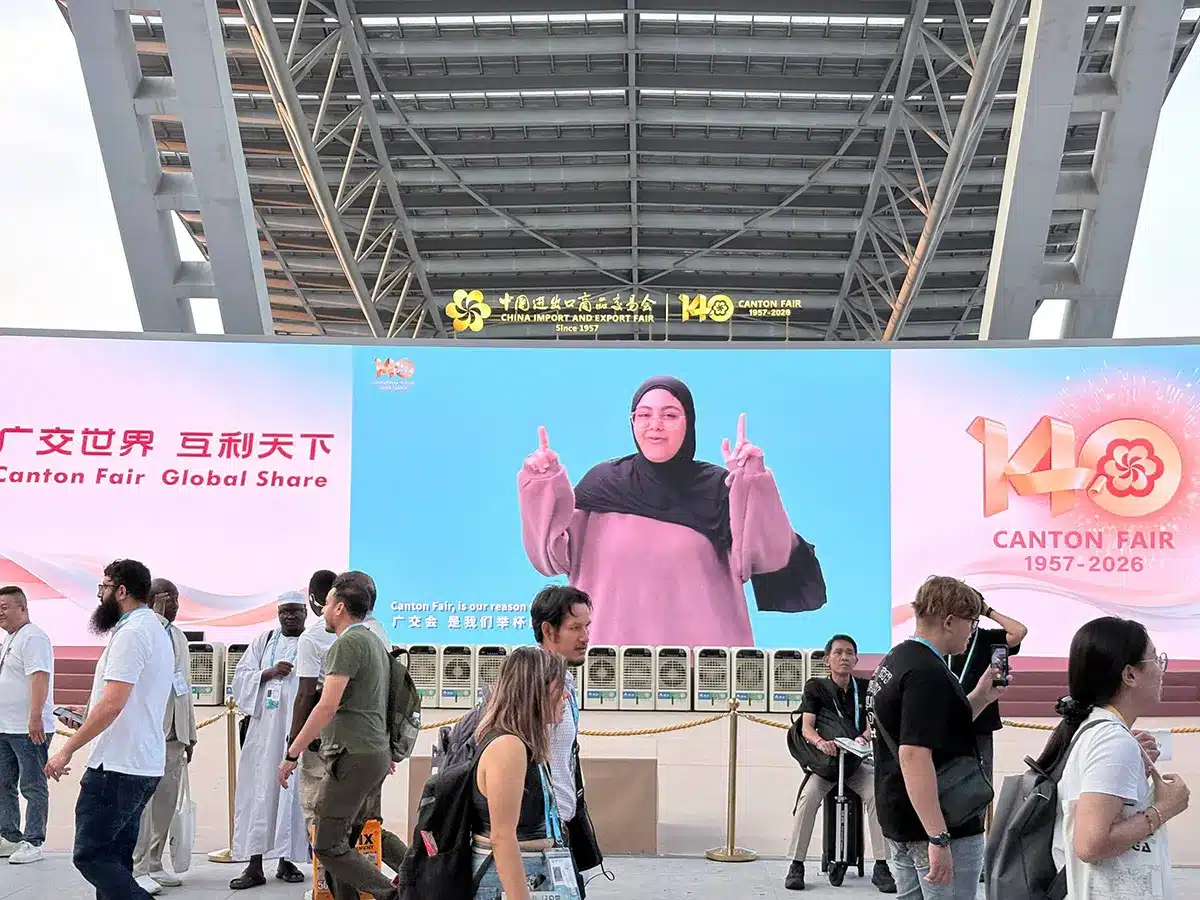
Another thing that stood out while walking through the halls was how differently companies presented their products.
Some focused heavily on technical specifications. Others relied on live application displays. Some highlighted certifications and testing, while others made customisation and development capabilities a major part of their presentation.
It raises a useful question: when a buyer first approaches a supplier, what do they really want to know?
Factory size and production equipment matter, but the discussion usually comes back to the product itself. Can you make the size I need? Will it work in my application? Is the tensile strength sufficient? If a standard product does not fit, can the material, structure or mold be changed?
Many real projects do not begin with a complete specification sheet. They begin with a problem: “The tie becomes brittle in winter,” “the head is too large for this space,” or “can a mounting hole be added here?”
Understanding that problem first often makes the later discussion about materials, structure and manufacturing much more productive.
What We Take Back from the Canton Fair

For people working in international trade, exchanging business cards at a trade fair is still a familiar part of the experience. A short conversation and a contact can later turn into an inquiry or even a long-term project.
But the value of being on site goes beyond contacts.
Inside the factory, we naturally focus on resin, molds, injection molding, dimensions and tensile strength. At the Canton Fair, the same cable tie starts to look different. You think more about the equipment it will go into, the industry behind it and the reason the customer needs it in the first place.
A nylon cable tie may be a small component, but it can end up inside a vehicle, an electrical cabinet, a new energy system or an industrial machine.
Knowing how to manufacture it matters. Understanding why the customer needs it matters just as much.