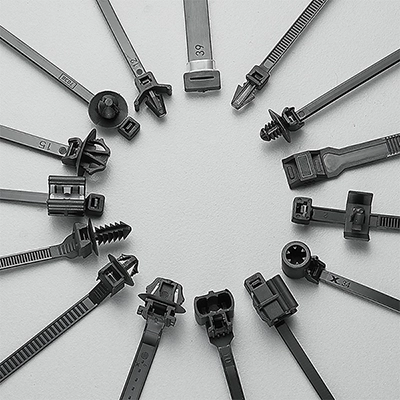
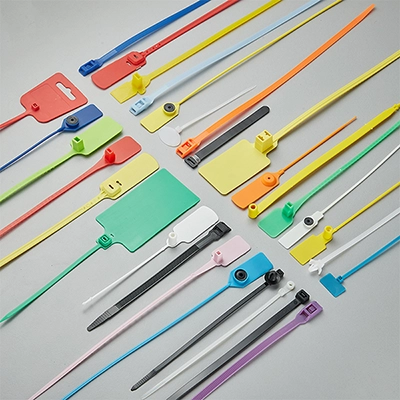
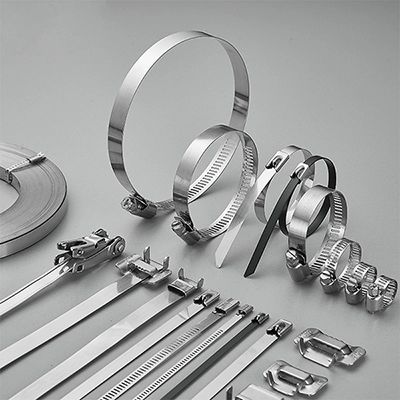
In a professional BMW dealership workshop, cable ties are everywhere. Neatly routed cables, well-organized hoses, and tidy work bays often depend on this simple tool. Cable ties help bundle air hoses, power cords, and lighting wires to prevent tangling. They also secure labels and warning tapes for area management. You’ll even find them on tool carts, in equipment zones, and around cleaning stations.
These small details determine whether a workshop is easy to use, easy to move around in, and easy to find things. In a high-standard environment like a BMW service workshop, cable ties are not just a temporary fix—they’re a basic daily necessity.
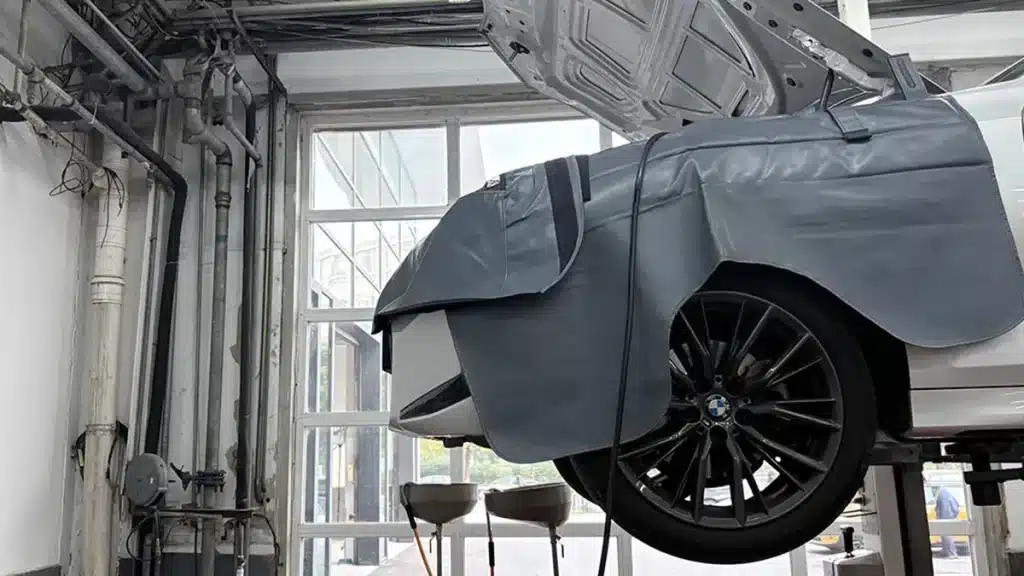
This article summarizes several typical real-world uses of cable ties in BMW workshops—from routing and bundling to signage and zone control, from tool carts to cleaning areas—to show how cable ties help maintain order and efficiency in the most common places.
1. Real Observations of Cable Ties in a BMW Workshop
1) Walls and Columns: Clean, Secure Routing
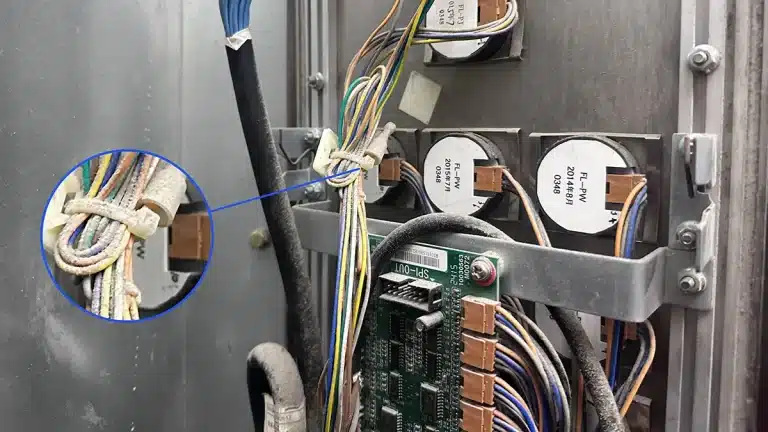
On workshop walls and columns, compressed air hoses, power cables, and data lines often run in parallel. Black cable ties are used to secure them to brackets or cable trays at consistent spacing and with uniform tightness. This prevents sagging, crossing, or accidental damage from tools—and makes identification and maintenance easier later on.
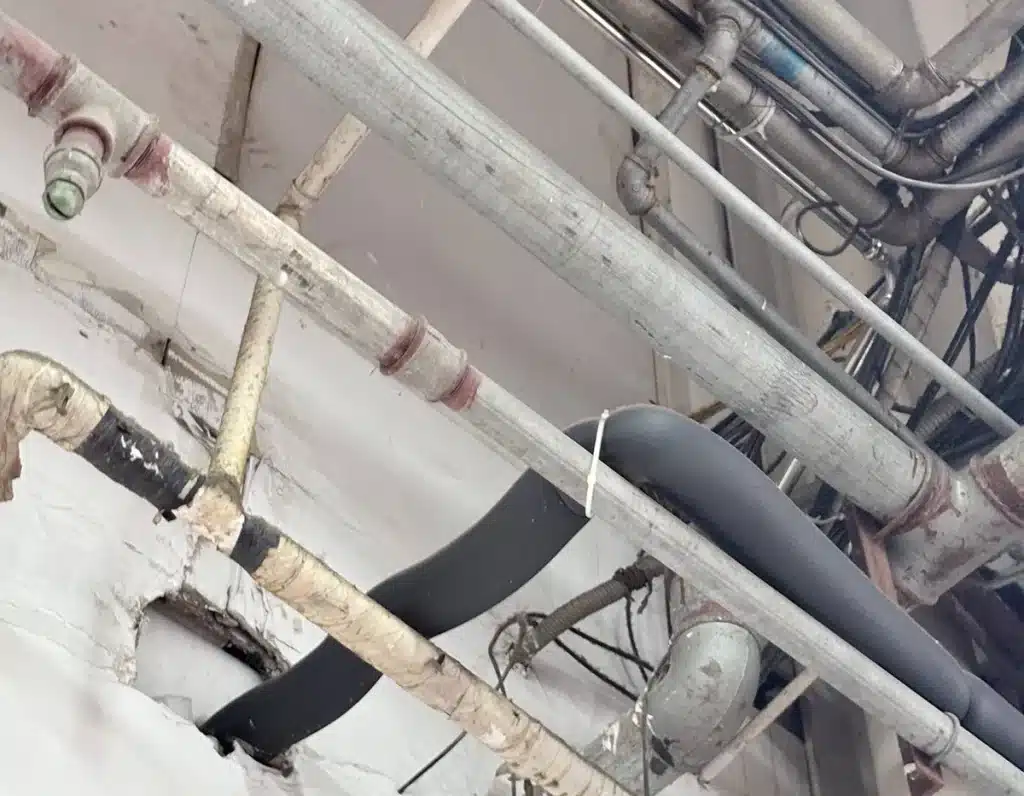
2) Ceiling and Lighting Areas: Wiring for Lamps and Fans
Looking up, you’ll often see wiring for ceiling lights, exhaust fans, and cameras also held in place with cable ties. The ties keep cables neatly aligned along metal channels or steel wire supports, maintaining safe spacing and reducing strain on the wires.
3) Work Bays and Carts: Managing Equipment Cables
Each work bay typically has diagnostic devices, computers, and extension power leads. To prevent cables from dragging on the floor or getting tangled, technicians use white or black cable ties to bundle and secure wiring to table legs or cart frames.
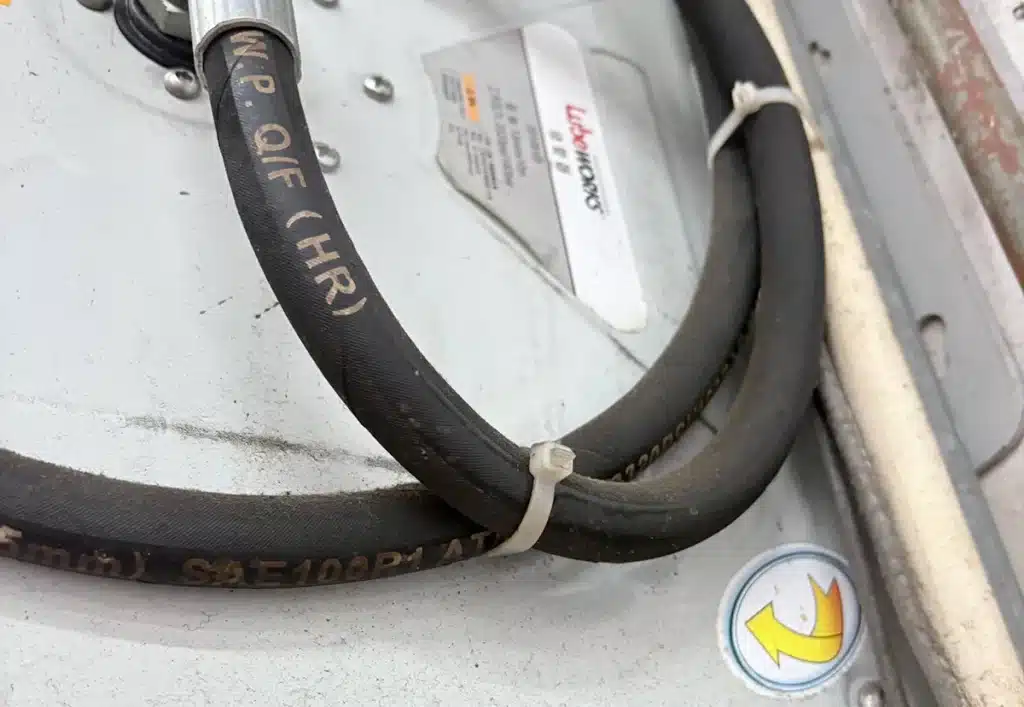
4) Labels and Isolation: Temporary Area Management
In areas being repaired or cleaned, warning tapes, temporary signs, and hazard notices often need quick fastening. Cable ties work well here because they are fast to install and remove, don’t leave adhesive residue, and suit frequently changing temporary setups.
5) Cleaning and Consumables Areas: Small Items Kept Together
In cleaning zones, cable ties may be used to secure trash bags, bundle rolled rags, or hold spray-bottle holders in place. These are small details, but they reduce clutter and make it easier for cleaning staff to keep things organized.
2. Why Cable Ties Work Better Than Other Options
BMW service workshops have a lot of equipment and a lot of lines—power cords, air hoses, diagnostic cables, and tool leads often overlap in tight spaces. Technicians need to work efficiently and safely, which means the workspace must stay clean, controlled, and free of obstructions.
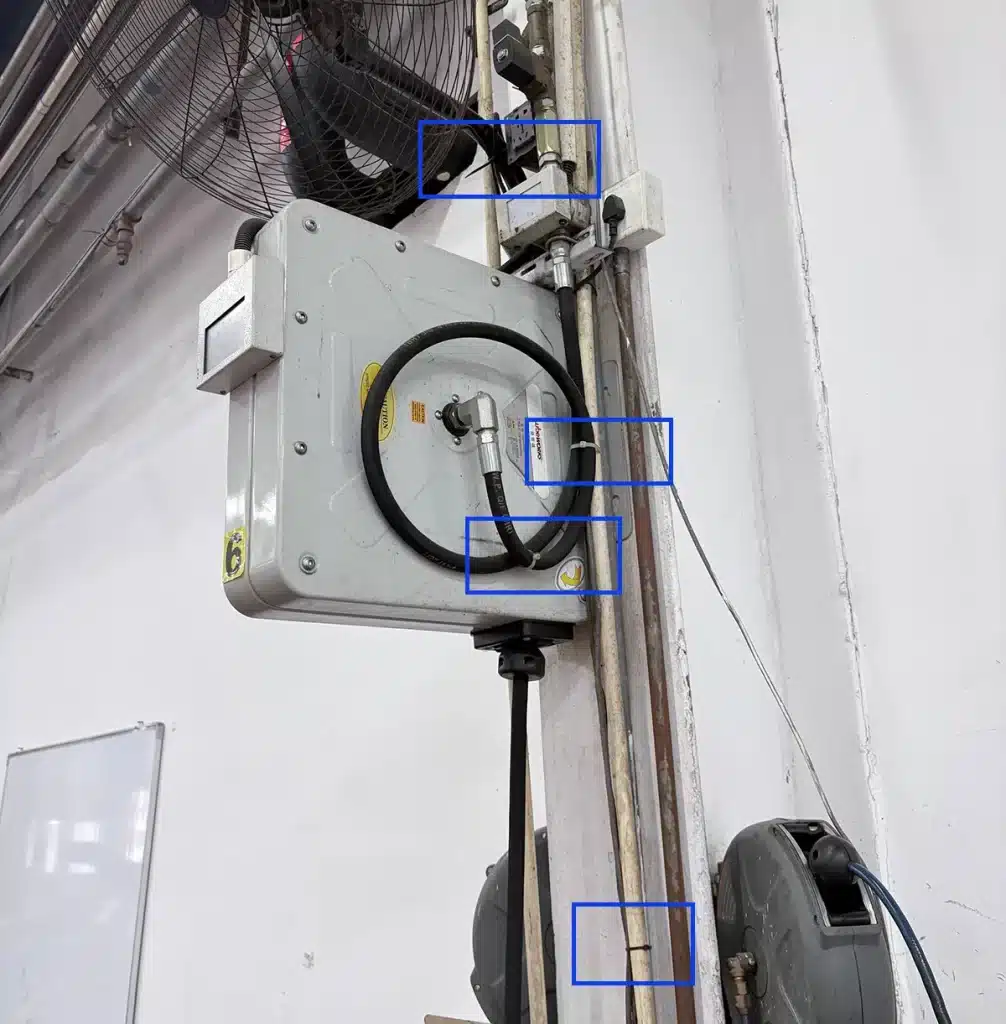
Cable ties solve these problems in a practical way. They quickly secure different types of hoses and cables, keeping benches and floors clear. A tidy working environment can also improve efficiency and reduce the risk of mistakes.
Compared with other methods:
- Tape can leave sticky residue and may age or peel over time.
- Clamps can cost more and are less convenient to adjust.
- Cable ties are light, replaceable, low-cost, and non-damaging—installation or replacement takes seconds.
For technicians, this simple and efficient method of securing cables is a key part of maintaining workshop order and workflow.
3. Conclusion: A Good Workshop Depends on Good Details
In a BMW dealership workshop where safety, efficiency, and standards matter, cleanliness and order are not optional—they are the foundation. Cable ties are inexpensive and easy to overlook, but they help keep complex environments under control: wiring stays neat, labels remain visible, and work bays stay clean.
In any high-standard service environment, small tools often play a big role. Cable ties make the workshop more organized—and more efficient.