In poultry farms, it is not unusual to see chickens wearing small pieces of colored cable ties on their legs. To people outside the industry, this may look strange or unnecessary. But in real farm management, it is a very practical solution.
As the number of chickens increases, it becomes increasingly difficult to distinguish between different batches or individual conditions solely by appearance. Frequently catching and separating birds for identification not only increases labour but also causes stress to the animals. Compared with these methods, using colored cable ties as simple visual markers allows farm workers to identify chickens quickly and clearly, with minimal cost and minimal disturbance. This is why colored cable ties are commonly seen in poultry farming.
Practical Uses of Colored Cable Ties in Poultry Management
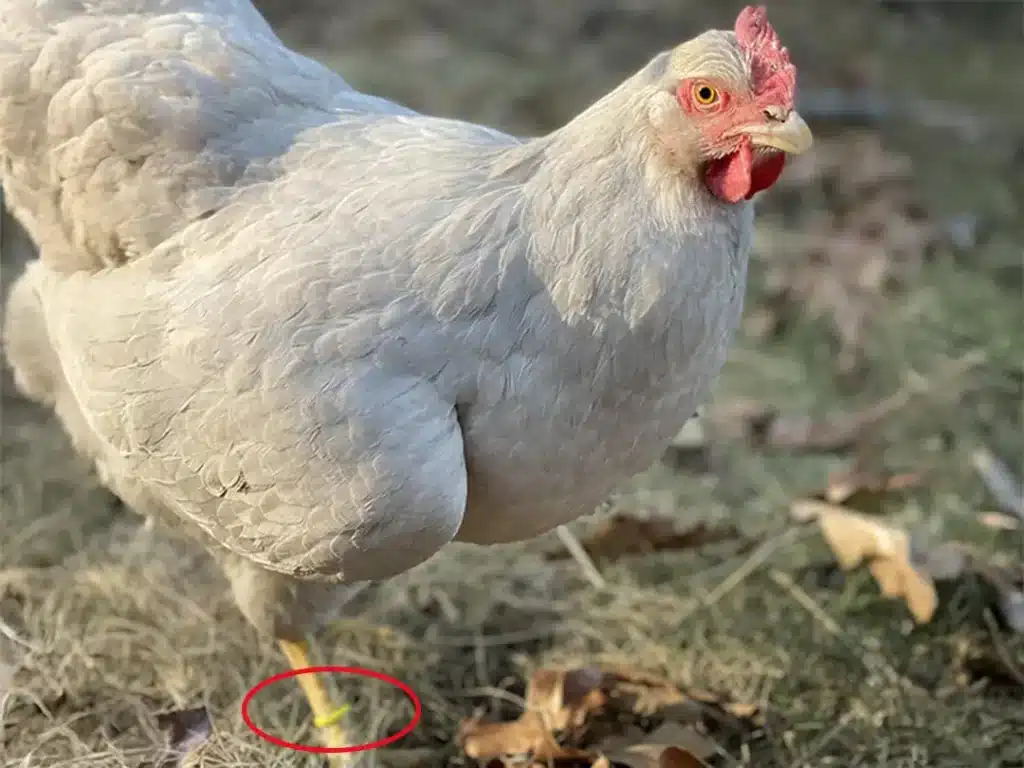
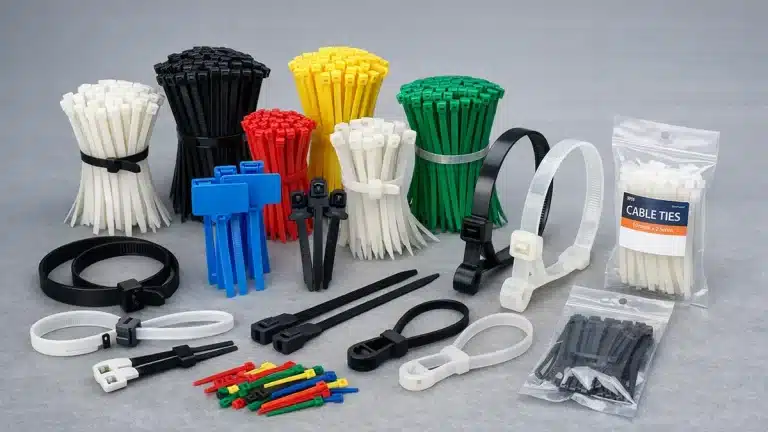
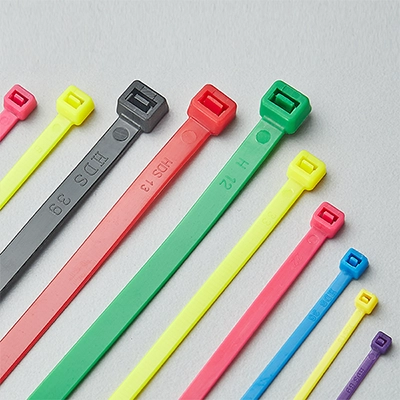
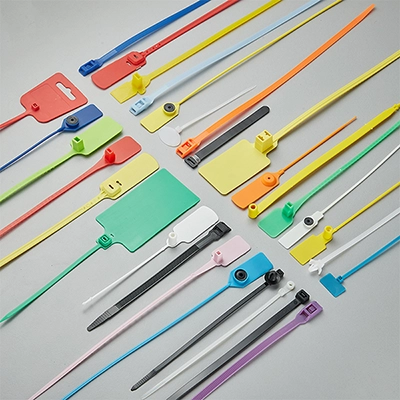
In daily farm operations, the choice of color is not random. The most direct purpose of using colored cable ties is quick identification. Different colors can be used to mark different batches of chickens, making it easier to track entry dates and growth stages. Colors are also commonly used to identify birds that have already been vaccinated, those under observation, or individuals that require special attention.
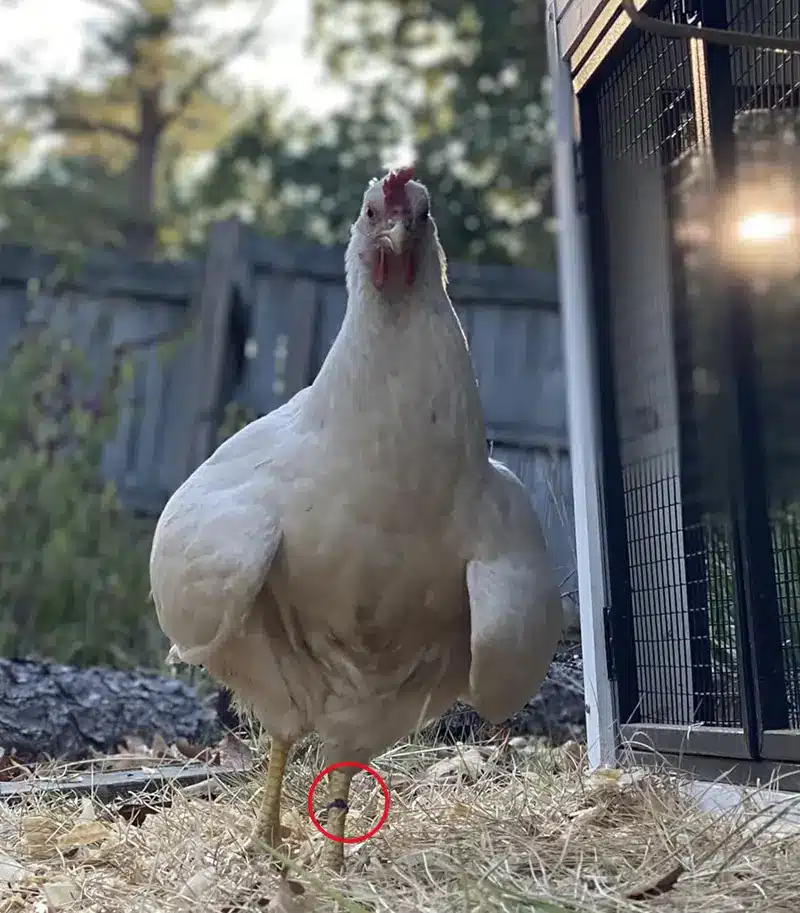
In larger poultry farms, colored cable ties often become part of a simple but consistent system. Each color corresponds to a specific status, and farm workers understand the meaning without additional explanation. During routine inspections, grouping, or selection, this visual system allows decisions to be made at a glance, reducing mistakes and unnecessary handling.
Compared with checking written records or repeatedly catching birds to confirm their status, color-based marking is faster and less disruptive. What looks like a small detail can significantly improve efficiency in everyday farm management.
What to Keep in Mind When Using Cable Ties on Chickens
In poultry farms, colored cable ties are generally used as a temporary management tool rather than a permanent fixture. For this reason, the main concern is usually not how strong the tie is, but whether it is easy to use and whether it interferes with the chicken’s movement.
In practice, cable ties used for identification are rarely selected for large or heavy specifications. Ties that are too wide or too rigid can be difficult to adjust and may affect normal activity. Many farms prefer smaller sizes, typically around 2.5–3.6 mm in width and 100–150 mm in length, which are easy to handle and do not feel bulky when attached to the leg.
In terms of material, some farms prefer nylon 6 (PA6) cable ties for this purpose. Compared with standard PA66 cable ties, PA6 is generally more flexible and softer in feel at the same size, which allows better bending and adjustment. Since these ties are not load-bearing, ultimate tensile strength is not critical. Comfort and ease of movement are often more important in this application.
Tightness is another key point. Cable ties are usually fastened with a small amount of clearance rather than pulled tight against the leg. As long as the tie does not restrict movement and does not fall off easily, it serves its purpose. When management needs change, or the chickens grow, the tie is simply cut and replaced—this is a common and accepted practice in poultry farming.
Conclusion
In poultry management, using colored cable ties may not be a formal or standardized practice, but rather a method that has been adopted repeatedly through day-to-day operation. They are used not because they are creative or innovative, but because they are simple, visual, low-cost, and easy to adjust when needed.
For many farms, attaching colored cable ties to chickens is simply a convenient way to solve practical identification and management issues. They do not replace more formal identification systems, but in situations that require quick judgment or temporary grouping, they provide a lighter and more flexible option that fits well into everyday farm work.